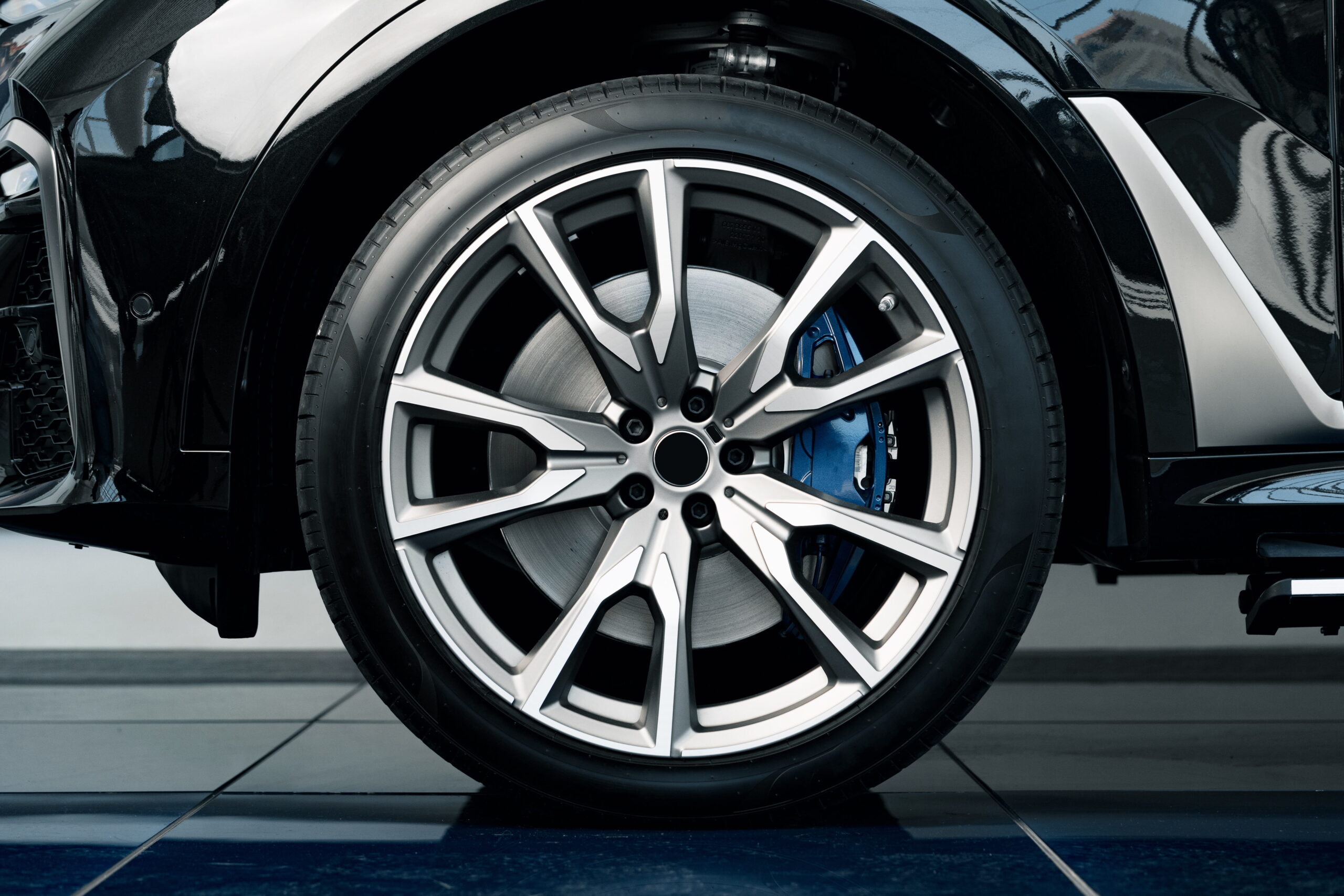
If you have noticed corrosion forming around the outer edge of your alloy wheel, you may be wondering what to do next. This is a common issue that many drivers experience, particularly in the UK where wheels are regularly exposed to rain, road salt, and debris.
Corrosion around the edge of an alloy wheel usually develops when the protective lacquer coating begins to fail. Once the lacquer is damaged, moisture can reach the aluminium beneath the surface and oxidation begins to form. This often appears as bubbling, flaking, or white patches around the rim of the wheel.
The good news is that in many cases, this type of damage can be repaired through professional alloy wheel refurbishment in Timperley, restoring both the appearance and protection of the wheel.
Why Alloy Wheels Corrode Around the Edges
Drivers often see the early stages of alloy wheel corrosion. Several factors can cause this problem.
Damage to the Protective Lacquer
Most alloy wheels are coated with a clear lacquer that protects the metal surface. When this coating becomes scratched or chipped, moisture can enter, and corrosion may begin.
Kerb Damage
Scraping a wheel against a kerb can damage the lacquer along the rim. This exposes the metal underneath and allows corrosion to develop over time.
Road Salt and Harsh Weather
Winter road conditions often accelerate corrosion. Salt and moisture can quickly break down protective coatings on alloy wheels.
Age and Normal Wear
Even well-maintained wheels can develop corrosion as they age, especially if the protective coating begins to deteriorate.
Signs That Alloy Wheel Corrosion Is Developing
Corrosion around the edge of a wheel does not always appear suddenly. There are several early warning signs that drivers may notice.
These include:
- White or cloudy patches forming under the lacquer
- Bubbling or lifting of the clear coat
- Rough or uneven texture along the rim
- Flaking paint or lacquer near the outer edge of the wheel
When these signs appear, early refurbishment can often prevent wheel corrosion in Timperley from spreading further.
Can Corroded Alloy Wheels Be Repaired
In many cases, the answer is that a wheel refurbishment can restore the wheel.
Professional alloy wheel refurbishment involves removing the damaged finish, repairing any surface imperfections, and applying a fresh protective coating.
This process can:
- Remove corrosion and surface damage
- Restore the original appearance of the wheel
- Protect the alloy from further deterioration
- Extend the lifespan of the wheel
When an Alloy Wheel May Need Replacing
Although corrosion can often be repaired, there are situations where replacement may be necessary.
This is more likely if:
- Corrosion has spread deeply into the metal
- The wheel has structural damage
- There are cracks or severe deformation
If corrosion is only affecting the surface finish, refurbishment is usually the more practical and cost-effective option.
How to Prevent Alloy Wheel Corrosion
While some corrosion is unavoidable over time, there are steps drivers can take to reduce the risk.
These include:
- Regularly cleaning alloy wheels to remove road salt and brake dust
- Avoiding kerb damage where possible
- Protecting wheels with sealants or coatings
- Repairing cosmetic damage before corrosion spreads
Many drivers also choose to protect refurbished wheels with coatings such as ceramic protection.
Speak to an Alloy Wheel Specialist in Timperley
If your tyres are looking corroded in Timperley, the best step is to have the wheel inspected by a specialist.
Call +447429921066