Diamond-cut alloy refurbishment vs painted alloys comes down to how the wheel is finished and restored. Diamond-cut alloys are machined on a specialist lathe to create a bright, metallic face with a clear top coat. Painted alloys are sanded, primed, and sprayed in a solid colour finish. Both can be refurbished, but the process and final look are different.
Why This Happens or What You Need to Know
Alloy wheels are finished in different ways by the manufacturer. The type of finish determines how damage is repaired.
Diamond-cut alloys have a two-stage finish:
- The wheel is painted first, usually in a darker base colour
- The front face is then precision cut on a lathe to expose bare metal
- A clear coat is applied over the top
This creates a bright, reflective surface with sharp lines. It is common on modern and prestigious vehicles.
Painted alloys have a simpler structure:
- The wheel is prepared and primed
- Colour is sprayed across the entire surface
- A lacquer coat protects the finish
There is no exposed metal face. The colour and sheen are consistent across the wheel.
When comparing diamond-cut alloy refurbishment vs painted alloys, the key difference is in the repair method.
Diamond-cut refurbishment requires:
- Stripping the old finish
- Recutting the face on a specialist machine
- Applying fresh lacquer
Because metal is removed during machining, diamond-cut wheels can only be refurbished a limited number of times.
Painted alloy refurbishment usually involves:
- Removing corrosion and damage
- Smoothing kerb rash
- Repainting the wheel in the chosen colour
- Applying protective lacquer
This process does not remove structural material in the same way, so it is often more flexible long-term.
We regularly see diamond-cut wheels suffer from lacquer peeling or corrosion, particularly around the edges. Painted alloys are more likely to show scuffs and scratches, but are generally simpler to refinish.
What Should You Do About It?
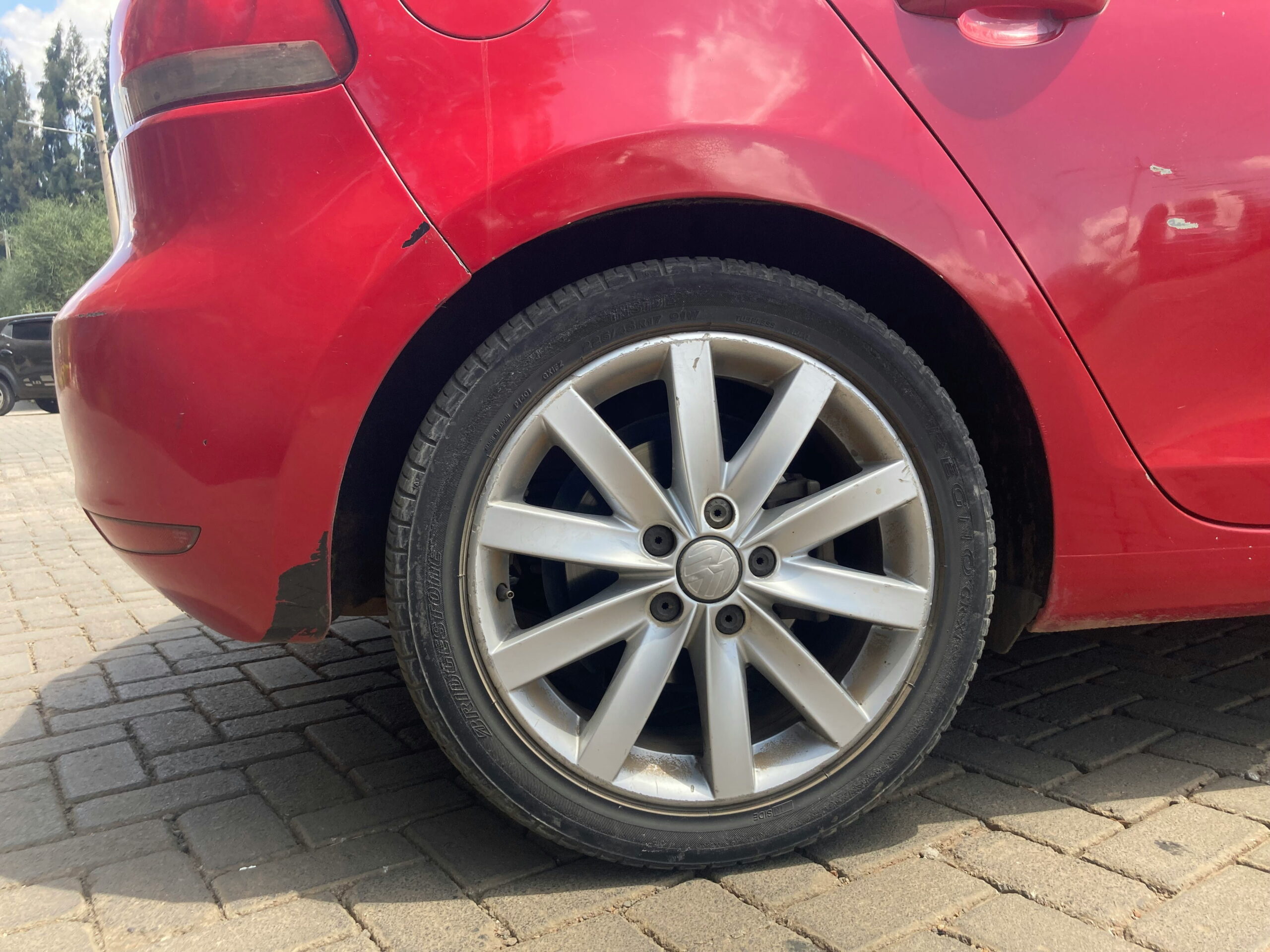
If you are unsure whether your wheels are diamond-cut or painted, a visual inspection can help.
Diamond-cut alloys usually:
- Have a shiny, metallic face
- Show fine machining lines up close
- Have darker painted pockets between spokes
Painted alloys usually:
- Have a uniform colour across the wheel
- Do not show exposed metal
- Can be gloss, satin, or matte
If your diamond-cut alloys are corroded or peeling, refurbishment may be possible, but suitability depends on how many times they have been cut before. If there is significant damage or previous machining, replacement may be the safer option.
For painted alloys, most cosmetic damage such as kerb rash, scratches, and corrosion, can be repaired through professional refurbishment.
Professional inspection is recommended if:
- The wheel is leaking air
- There is visible cracking
- The wheel feels distorted while driving
- You are unsure of the finish type
At a specialist workshop, the wheel can be removed and properly assessed before any work begins. This ensures the correct method is used and avoids unnecessary replacement.
Why Choose Alloy Boyz & Autos in Timperley?
Our Timperley car workshop provides:
- Diamond-cut alloy refurbishment using correct machining processes
- Painted alloy wheel refurbishment with proper preparation
- Honest advice on whether a wheel is suitable for repair
- Inspection before any work is carried out
Speak to an Expert About Alloy Wheel Refurbishment in Timperley
If you are comparing diamond-cut alloy refurbishment vs painted alloys and want clear advice for your own vehicle, speak to Alloy Boyz & Autos
We can inspect your wheels, confirm the finish type, and explain whether refurbishment is suitable. Whether your alloys are peeling, scuffed, or corroded, a professional assessment helps you make the right decision.
Call to discuss your alloy wheel refurbishment in Timperley or send an enquiry through our website.
Call +447429921066